
Licensed residential locksmith service for Chicago homes, apartments and condos
Omega Locksmith helps Chicago homeowners, renters, condo owners and property managers restore access, change keys and repair residential lock and door problems.
Omega Locksmith is a licensed and insured residential locksmith serving Chicago, Cook County, and DuPage County. Illinois Locksmith License No. 191-000821 is held by Jose Hernandez; it is his individual professional license, not a locksmith-agency license.
Call for home lockouts, rekeying, deadbolt installation, lock repair, smart-lock installation, broken-key extraction and urgent service after lost keys or property damage.
Omega Locksmith is owned by Illinois licensed locksmith Jose Hernandez — License No. 191-000821. Identification and proof of residency, ownership or authorization may be required.
Home Locksmith Service in Chicago
A residential lock problem may involve more than the cylinder. A sagging door, misaligned strike, loose hinge, damaged frame or worn latch can make a good lock difficult to operate.
Our technicians inspect the affected lock and door before recommending entry, adjustment, repair, rekeying or replacement. Service is available for many houses, apartments, condos, two-flats and multi-unit properties.
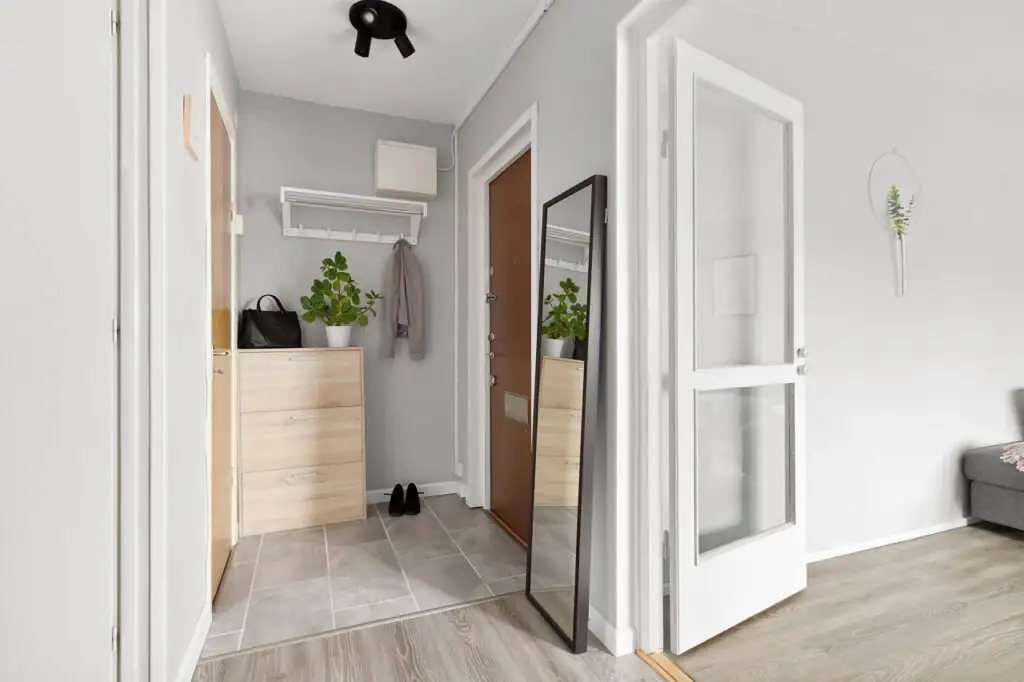
Residential entry-door lock, deadbolt and door-alignment service in Chicago.
Residential Locksmith Services
Home and Apartment Lockouts
Restore authorized access using a method appropriate for the lock, door and condition of the hardware.
Chicago lockout serviceResidential Rekeying
Change compatible cylinders so previous keys no longer operate the locks while keeping serviceable existing hardware.
Deadbolt Installation
Install compatible deadbolts and check door alignment, latch engagement and strike positioning.
Lock installation and replacementLock Repair
Diagnose stiff keys, loose locks, failed latches, sticking cylinders and other mechanical residential lock problems.
Smart-Lock Installation
Install supported keypad and connected locks when the door preparation, existing hardware and owner authorization permit.
Broken-Key Extraction
Remove broken key pieces when practical and inspect the cylinder and original key condition before creating a replacement.
Sliding and Patio-Door Locks
Inspect and service supported patio and sliding-door locks when the lock, handle, strike and door condition allow.
Garage-Door Locks
Repair or replace supported garage-door lock hardware after identifying the lock type, door condition and required parts.
Window Locks
Evaluate supported window locks and compatible replacement hardware for authorized residential openings.
When Should You Rekey Home Locks?
After Moving In
Previous owners, tenants, contractors or service providers may still have copies of an old key.
After Losing a Key
Rekeying can remove an unaccounted-for key from service when compatible cylinders remain in good condition.
After a Tenant Change
Owners and authorized managers can change keys between occupants while reviewing building access requirements.
After Employee or Caregiver Changes
Update affected household access when a regular visitor or worker no longer needs a key.
To Match Multiple Doors
Compatible locks may be keyed alike so one authorized key operates selected exterior doors.
When Keys Are Hard to Track
A fresh key plan helps the owner document who should have access and which doors each key operates.
Lock Problem or Door Problem?
Door Will Not Latch
The strike, hinges, frame or door position may prevent the latch from engaging.
Deadbolt Is Hard to Turn
Misalignment can put pressure on the bolt even when the cylinder and key are functional.
Key Sticks or Binds
A worn key, dirty cylinder, damaged pins or incorrect duplicate may cause poor operation.
Lock Is Loose
Mounting hardware, trim or internal components may need adjustment or replacement.
Smart Lock Is Unreliable
Battery condition, alignment, door preparation, calibration or connectivity may be involved.
Door Was Forced
The lock, strike, frame and door must all be inspected before the opening can be secured properly.
Residential Locks in Chicago Houses, Condos and Two-Flats
Chicago residential doors vary widely across brick bungalows, two-flats, condominiums, apartments and multi-unit buildings. Older openings may use mortise-style hardware, while newer doors commonly use cylindrical locks, deadbolts, keypads or connected smart locks.
Before recommending a lock change, our technician checks the existing hardware, door preparation, latch, strike and alignment. When serviceable cylinders are compatible, rekeying may provide new keys without replacing the complete lock. Replacement may be more appropriate when hardware is damaged, badly worn or unsuitable for the door.
Condo owners, renters and property managers should confirm any building rules and obtain required authorization before changing unit-entry or shared-access hardware.
What We Check at the Door
- Lock and cylinder type
- Door thickness and backset
- Latch and deadbolt engagement
- Strike, hinge and frame alignment
- Existing key condition and operation
- Owner, tenant or manager authorization
Smart Locks for Chicago Homes and Apartments
Keypad and connected locks can add convenient access codes, activity features or remote control, depending on the product. Reliable operation still depends on proper installation, door alignment and regular battery maintenance.
Renters and condo owners should obtain any required landlord, association or property-manager approval before replacing or modifying common-area or unit-entry hardware.
Before Choosing a Smart Lock
- Confirm door thickness and backset
- Check the existing bore and deadbolt preparation
- Review weather exposure and battery access
- Decide whether a mechanical key override is desired
- Confirm Wi-Fi, hub or phone requirements
- Keep owner and building rules in mind
After a Break-In or Attempted Entry
- Call 911 if there is an active threat or immediate danger.
- Do not disturb the scene until police say it is safe.
- Photograph visible damage when appropriate.
- Contact the owner, manager or insurer as required.
- Have the lock, strike, door and frame evaluated.
- Discuss repair, temporary securing or replacement options.
Inspect the Complete Opening
Replacing only the cylinder may not solve damage to the door edge, frame, strike, hinges or surrounding material. The recommended work depends on the condition of the full opening.
How Residential Locksmith Service Works
1. Describe the Problem
Tell us whether you are locked out, changing keys, repairing a lock or planning an installation.
2. Identify the Door
Provide the address, door material, lock type and photos when available.
3. Verify Authorization
The technician confirms identity and residency, ownership or permission before security-related work.
4. Inspect the Opening
We review the lock, latch, strike, alignment and visible hardware condition.
5. Explain Options
The technician discusses an appropriate entry, repair, rekeying or replacement approach.
6. Complete and Test
Authorized work is performed and the lock and door operation are tested.
Completed Four-Unit Building Master-Key Project in Chicago
Omega Locksmith completed master-keying for a four-unit building in Chicago. A properly planned master-key system can allow authorized management to operate designated locks while resident keys remain limited to assigned doors, depending on the system design.
Before master-keying, we review the existing cylinders, compatible keyways, door assignments and required access levels. Some damaged or incompatible locks may need repair or replacement.
Property managers can also review our commercial locksmith services.

Documented Omega Locksmith master-key project for a four-unit Chicago building.
Why Choose Omega Locksmith?
- Family-operated Chicago locksmith serving customers since 2006
- Owner Jose Hernandez — Individual Illinois license holder: Jose Hernandez — License No. 191-000821
- Local storefront plus mobile service
- Residential, commercial and automotive experience
- Professional lock and key equipment
- Authorization checks for security-related work
Emergency and Scheduled Service
Call for urgent lockouts or doors that will not secure. Rekeying, lock upgrades and smart-lock installation can often be scheduled after the hardware and property requirements are identified.
Residential Locksmith Service Areas
Omega Locksmith serves Chicago neighborhoods and nearby Cook County communities. Mobile availability depends on the service, location, traffic and technician coverage.
Residential Locksmith FAQs
Should I rekey or replace my home locks?
Rekeying changes the operating keys while retaining compatible serviceable hardware. Replacement may be appropriate when a lock is damaged, worn, unsuitable or part of an upgrade.
Can a locksmith open my home without drilling?
Many lockouts can be handled with damage-minimizing methods, but the correct method depends on the lock, door, failure and security level. Drilling or replacement may be necessary for some failed or high-security hardware.
What identification do I need for a home lockout?
Be prepared to provide government-issued identification and proof of residency, ownership or authorization. The exact documents depend on the situation.
Can you make one key work for several doors?
Often, compatible locks can be keyed alike. The cylinders, keyways and condition of the hardware must be reviewed first.
Can you install a smart lock in an apartment?
Yes, when the door and hardware are compatible and the renter has required landlord or property authorization. Building and association rules may also apply.
How much does a residential locksmith cost?
Cost depends on the service, lock, hardware, time, location and condition of the door. A precise quote may require identifying the lock, hardware and condition of the door opening.
Request a Residential Locksmith in Chicago
Call with the property address, lock problem, door type and authorization information.
For an active break-in, fire, medical emergency or immediate threat to life or safety, call 911 first.